
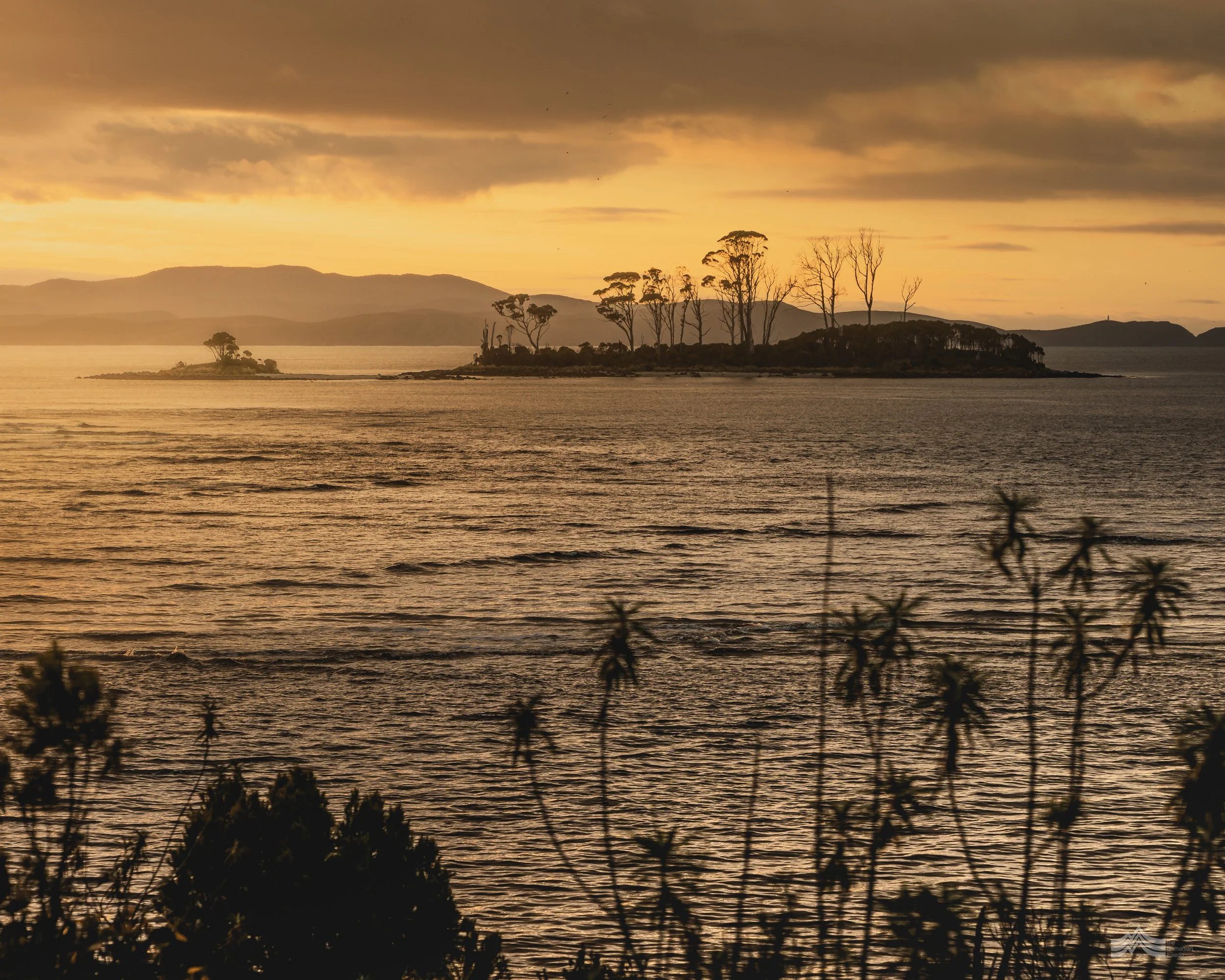
Statement of Country
FOR ME, AS A STAUNCH ABORIGINAL WOMAN, THIS IS A COMPROMISING SPACE TO BE IN.
I LIKEN IT TO CELEBRATING INVASION DAY – WHICH I NEVER WILL.
SO, MAKE NO MISTAKE, I AM NOT HERE TO CELEBRATE.
But being involved in this project gave me the opportunity to bring to this colonial village and valley the presence of the people who have been for so long missing. Forgotten. Nowhere (until this last week) have I seen any evidence that there were people here on their Country before invasion and colonisation. It was like they never existed. And so, I decided that I could at least change that a little.
Palawa people of Lutruwita/Tasmania have been here since the time of Creation; since two Star Brothers, Muyini and Rrumitina created Palawa, the First Ancestor to walk on this earth.
What you now call Richmond and the Coal River Valley is part of the unceded country of the Mumirimina people of the Oyster Bay Nation; and although there are no living descendants of the Mumirimina, this is still unceded Country – taymi ningina raytji warr!!!
An abundance of freshwater and marine resources, land animals, birds (and their eggs), and plants provided sustenance and enabled the people to continue with culture; expertly and sustainably managing their country, so that there would be plenty from season to season.
Since the time of Palawa, Mumirimina families lived within their country – including this place now called ‘Richmond’. Long -held cultural knowledge and an innate connection with the environment informed every aspect of their daily lives. Reciprocity was key to the survival of all species.
Agreements between the Big River people and the Mumirimina and other Oyster Bay clans were long-standing, having been negotiated, including permissions for accessing each other’s territory. Big River people & OYB people would come together at significant times and places to hunt and celebrate together. No doubt along the banks of the Coal River.
Here, where this bridge was built, Mumirimina and their allies the Big River People witnessed the further incursion of the newcomers into their traditional homelands – not understanding their being locked out of those sacred places they needed to access for ceremony; or to collect cultural resources, and hunt due to the ‘gifting’ of their lands to colonists. THEIR lands – gifted by people who had no legal right to do so. IMAGINE how they felt as the people kept coming, and with them more and more country carved up. Descendants of many of the original settlers in this area continue to benefit from the grants of stolen lands.
Any physical evidence of the Big River people having been in this part of their country has either been severely impacted or destroyed forever due to the building of bridges and dwellings.
This is part of the tragedy of the Mumirimina who, with the Big River People fought so valiantly for their Country; families and existence; but who sadly are no longer here. Takila mana-mapali, Palawa-nara, putiya nayri; putiya nayri. Waranta tangara.
And so, the huge responsibility of the surviving Palawa Community is to make sure that Palawa Ngini tunapri taymi; taymi.
We pay our respect to all Palawa Ngini; and to Palawa Elders – past and present.
I respectfully ask you to consider the story told by interpretation; it is only a small part of the Mumirimina story that has been installed in the village. And contemplate the past – that began with the creation of Palawa, Nungampi pama takara kuntana-nika.
– Theresa Sainty, opening speech for Richmond Bicentenary (2023-4)